Table Of Content
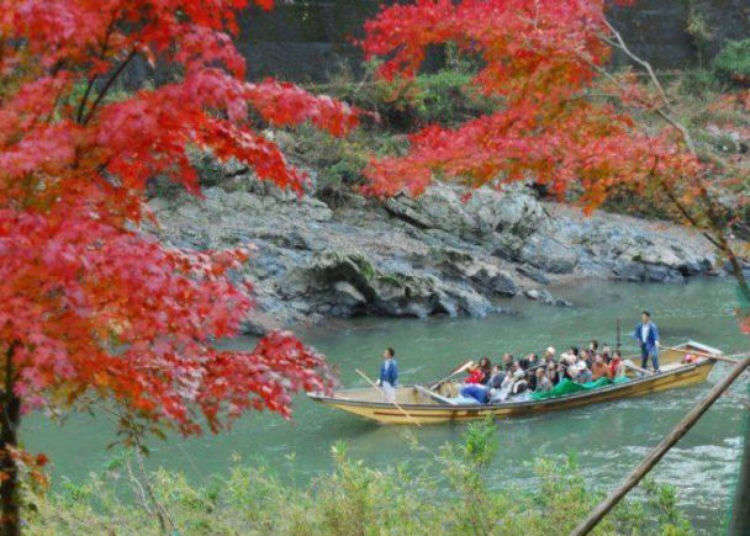
During the “Kawakudari” riverboat ride, guests enjoy the two-hour, 16-kilometer ride from Kameoka to Arashiyama, as three boatmen steer the traditional, flat-bottomed boats with oars and bamboo poles. The departure point for the boats is a 10-minute walk from JR Kameoka Station. There are shuttle buses from Torokko Kameoka Station for those combining the boat ride with the Sagano Scenic Train. The easiest way to get to the pier at Kameoka is walk eight minutes east north east towards the river from JR Kameoka Station, and the pier is next to the highway bridge heading north across the river. If you come up by the Scenic Torokko Train, it is a 15 minute bus ride from the Torokko Kameoka Station.
Hozugawa River Boat Ride – Experience The Scenic Nature Of Kyoto
Ten dead, 16 missing after Japanese tour boat capsizes - The Washington Post
Ten dead, 16 missing after Japanese tour boat capsizes.
Posted: Sun, 24 Apr 2022 07:00:00 GMT [source]
The Sagano Romantic Train starts from Saga Torokko Station (right next to JR Saga-Arashiyama Station, which is easily reached from Kyoto Station, a 17-min train ride). The Hoguawa Boat Ride will take you back to Arashiyama, the same area where you boarded the Sagano Romantic Train earlier. Please be sure to exchange your voucher (reservation confirmation) for a bus ticket at the KYOTO Sightseeing"OKOSHI"Bus Ticket window 10 minutes before the bus departure. Please make sure to arrive on time as the bus will depart as scheduled. Steep mountain slopes, bamboo forests, pine and maple trees and rock reliefs, succeed each other and delight the eyes.
Suspected crew member's body found near site of capsized river cruise boat in Kyoto Pref. - The Mainichi - The Mainichi
Suspected crew member's body found near site of capsized river cruise boat in Kyoto Pref. - The Mainichi.
Posted: Thu, 30 Mar 2023 07:00:00 GMT [source]
Kyoto: My Alternative Top 3 Temples
The boats take about two hours to leisurely make their way down the river and are a relaxing way to see the natural scenery of the largely undeveloped ravine. The river cruises are often combined with a ride on the Sagano Scenic Railway. They will joke and tell fun anecdotes, however only in Japanese, during an entertaining ride that can last one to two hours depending on the conditions.
Japanese Urban Legends
Ryoi made good money on the river all up to 1895 when the current JR Sanin Railway Line opened and effectively put a stop to the Hozugawa River being the main transport vein into Kyoto. The Emperor moved to Heian Palace in Heian-kyō/ Kyoto in 794 making Kyoto the capital city of Japan. Kyoto remained the capital until 1868 when the Emperor moved to Tokyo, where he still lives.
Trains and trucks of the modern period eventually made river transport obsolete, with operations ceasing completely in 1945. However, the boats took on new life as a sightseeing attraction as early as 1895, drawing over 300,000 visitors a year, including a large number of celebrities and members of royalty. In the Edo Period 200 years ago, boats with tatami mats and a roof called Yakatabune were popular. Even today you can see the remains of the paths along the river that the boatmen once had to trek every day, hauling their vessels back upstream by rope! Sightseeing took over the route once modern transportation dominated the shipping industry, and now approximately 300,000 tourists ride the Hozugawa Kudari every year.
Barcelona: Public Transport Tickets
Fifty minutes out of Ginkakuji, an easy walk up the hill, atop Mount Dimonji is a panoramic site of Kyoto valley and on a clear day, as far as Osaka... In fact, the river had been used even earlier when the capital was at Nagaoka-kyo. It is hard to believe that until 1945, this river was full of commercial activity. The quality of this wood from the nearby Tanba district was well sought after, with both Osaka and Fushimi Castles making the most of this supply. Overland trucks eventually took over the task of transporting timber in the twentieth century, allowing the river to revert to its peaceful state. You can then take the piece of paper to the ticket counter to exchange or purchase your boat ticket.
Travelers interested in this activity also viewed
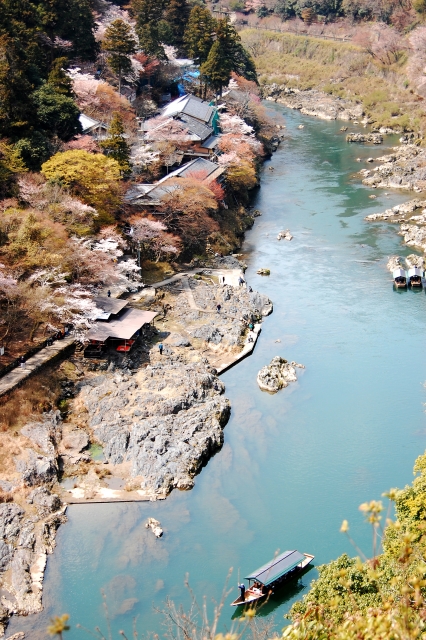
The wooden riverboat will take you to through the scenic Hozu-kyo Ravine and to the Arashiyama area of Kyoto, home to the famous Arashiyama Bamboo Forest. Going on a boat trip is a very relaxing way to see another side of Kyoto, and to enjoy the silence of nature, without even having to break a sweat. Kyoto does not only owe its popularity to its ancient temples but also to its region. Between mountains and valleys, the changes in landscape abound and the most enjoyable way to watch them go by is to be seated quietly in a boat on the Hozu River. The 16 km Hozu River Boat Trip is particularly popular in spring to see the cherry blossoms and in autumn to view Arashiyama's spectacular autumn leaves. If you can, ask them if you can sit on the right-hand side of the boat.
The boat trip covers 16 km of the Hozu-Gawa River, which is mostly broad and calm, but in some places the river narrows, and you can experience some choppy water. But don’t worry, it is not dangerous, and you are in good hands with the experienced boatsmen. The Hozugawa River Boat Tour is a fantastic way to experience Kyoto’s nature. While Kyoto is most famous for its beautiful temples and well-preserved historic neighborhoods, surrounding it is some truly spectacular nature with mountains, rivers, and forests. One of these green lungs is the western mountains surrounding the Hozugawa River. Relish the feeling of being surrounded by nature as the cruise makes its way through some rapids, flanked by lush foliage.
Hozu River Boat Cruises
The Hozugawa River was originally employed to transport logs that were used to build many of Kyoto and Osaka's famous temples and castles. During the Edo Period the river was cleared of obstructions so that boats carrying grain, firewood and other cargo could safely navigate it. Trains and trucks eventually made river transport obsolete, and operations ceased after several hundred years of use. However, the boats were brought back and eventually became popular as a sightseeing attraction.
We had a great time on our boat trip, and it was cool to see another side of Kyoto besides temples, shrines, shopping streets, and nightlife. I knew my future was destined to be with Japan the moment I flew from Sydney to experience the atmospheric laneways of Kyoto last century. I am humbled to have met many distinguished people during this time, especially the national living treasures of Japan, such as the doll maker to the Imperia... Use it to discover your destination, plan on the go, store your tickets offline and enjoy exclusive, app-user perks. The history of Kameoka City began when the capital was still in Nagaokakyo, long before Kyoto became the imperial capital.
We had some rain at the beginning of the boat trip, but the boats have a plastic roof and detachable rain covers along the sides of the boat. Once you depart from Kameoka town, the scenery takes a dramatic turn as you encounter the steep forest gorges on either side. For bird watchers, there is plenty of wildlife here, with sightings of eagles, kingfishers, ducks and cormorants expertly spotted by the oarsmen.

In spring, when the cherry trees are in blossom or autumn, when the maple trees turn red, the beautiful nature will surely win many hearts. Hozugawa Kudari is the Japanese name of the boat ride down the Hozu River, between Kameoka City and Kyoto in Japan. The cruise is operated on a safe course among the rapids and is a popular nature activity all year long, providing another point of view on the wildlife of this mountainous region.
The Sagano Romantic Train is especially popular during Sakura Cherry Blossom (March/ April) and autumn foliage season (November). A wealthy merchant, Ryoi Suminokura, also called the “River Lord”, opened up the Hozu-kyo Ravine for boat transports in 1606. Huge rocks had to be removed, and the whole process not only cost a lot of money but also cost quite a few lives. Boats leave from Kameoka and take curious visitors on a journey of about two hours to Arashiyama. Following a route once taken by the rice and timber merchants, the three men, driving each boat with the sheer force of their arms, safely through rapids and stretches of calm water. The cruise ends in front of Togetsukyo bridge in Arashiyama, an ideal landing place to easily continue the exploration of Kyoto’s western suburb.




No comments:
Post a Comment